Grow in Grace Flowers
A Designer’s First Look: Soft, School-Spirited, and Surprisingly Versatile
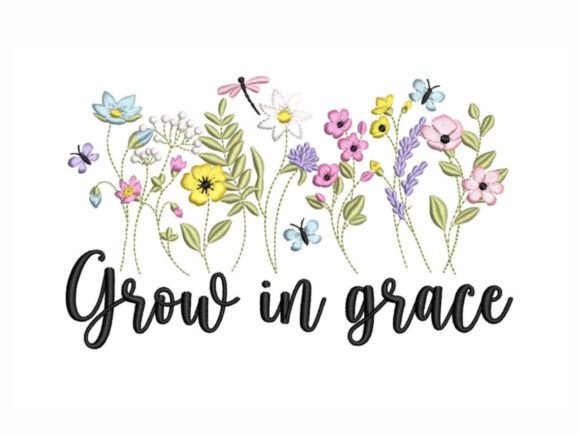
When I opened Grow in Grace Flowers for the first time, I wasn’t expecting much beyond a gentle, faith-tinged school motif—but what landed on my screen was something quieter and more intentional. The layout balances floral elements with clean, legible lettering—no frantic swirls or overwrought flourishes. It breathes. That matters. As someone who’s stitched hundreds of school-themed designs for teachers’ gifts, PTA events, and graduation keepsakes, I know how easily “inspirational” tips into cliché. Grow in Grace Flowers avoids that. It feels like a quiet nod—not a shout—and that makes it work beautifully on handmade products where sincerity reads louder than sparkle.
Real Project Test: A Teacher’s Embroidered Tote Bag
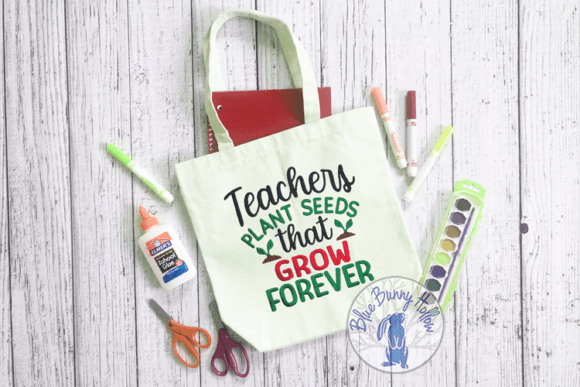
Last week, I used Grow in Grace Flowers to stitch a custom tote for a 5th-grade teacher retiring after 32 years. Cotton canvas, medium-weight tear-away stabilizer, 40-weight rayon thread in soft sage and cream. The result? Calm, cohesive, and unmistakably handmade—not mass-produced. Customers notice that difference. The flowers aren’t fussy; they’re open enough to read at arm’s length, and the phrase “Grow in Grace” sits comfortably above them without crowding. No re-hooping needed. No awkward gaps or floating stems. It stitched cleanly across the full width of the tote’s front panel, anchoring the design without overwhelming the fabric’s natural texture.
Where It Shines—and Where It Needs Thought
Grow in Grace Flowers excels on stable, medium-to-heavy fabrics: cotton tote bags, fleece-lined sweatshirts, linen pillow covers, and woven tea towels. On those surfaces, the fill stitches settle evenly, satin-stitched petals hold shape, and the lettering remains crisp—even at 3.5 inches wide. It’s also a smart choice for baby embroidery: think onesies, burp cloths, or nursery wall hangings. The theme reads gently, never preachy, and the floral framing softens the typography just enough for early childhood gifting.
That said, tread carefully on stretchy knits (like lightweight t-shirts) without proper cutaway stabilizer—it’s not overly dense, but the curves in the letterforms can pucker if tension isn’t dialed in. And while it works on dark fabric, test your thread colors first: pale yellows or creams may need an underlay or slightly heavier top thread to stay visible. Avoid using it on curved surfaces like caps unless you’ve confirmed hoop compatibility and have experience with cap frames—the floral elements extend outward, so tight radius stitching could distort delicate petal edges.
Design Integrity in Practice
- Stitch density: Moderate—no risky overlapping or ultra-fine running stitch details that vanish after one wash. Ideal for items meant to last.
- Finished product clarity: Holds up well in printable mockups and digital previews. Looks professional in Etsy listings without heavy editing.
- Brand consistency: Fits seamlessly into a boutique’s seasonal collection—say, alongside back-to-school aprons or teacher appreciation bundles.
- Giftability: Reads as thoughtful, not generic. Parents, students, and colleagues all responded warmly to the tone—not “motivational poster,” but “handmade with care.”
What This Means for Your Craft Business
If you’re an Etsy seller, small shop owner, or craft fair vendor, Grow in Grace Flowers is low-risk, high-resonance embroidery file material. It doesn’t demand premium pricing to feel special—but it *earns* it. Customers pay more for pieces that feel personal, not programmed. Because this design avoids trendy fonts and overused botanical motifs, it stays fresh season after season. I’ve seen similar designs age poorly when the “vintage script” trend faded—but Grow in Grace Flowers leans into timelessness instead.
It also pairs well with simple applique design accents: add a single embroidered leaf or tiny bird nearby, and you’ve elevated it for a custom nursery set or wedding gift. Just keep the supporting elements minimal—the strength here is in its restraint.
Practical Designer Notes Before You Stitch
- Always run a test stitch on scrap fabric matching your final project’s weight and weave.
- Check thread color contrast on both light and dark backgrounds—especially if offering custom options.
- Confirm hoop size before digitizing for commercial embroidery—you’ll want breathing room around the outermost petals.
- Inspect small corners and inner curves in your embroidery software. If the original file includes fine stem lines or tight loops, verify they’re not prone to thread breaks.
- Use a stabilizer appropriate for your fabric: tear-away for stable wovens, cutaway for knits or layered garments.
- Review licensing terms before selling finished products or bundling Grow in Grace Flowers as part of a digital embroidery file pack.
- Test black-and-white mockups—this design relies on shape and spacing more than color, so grayscale renders should still communicate its warmth and balance.
Final Thought: Not Just Another School Design
Grow in Grace Flowers isn’t flashy—but then, it’s not trying to be. It’s the kind of machine embroidery design that earns repeat use because it delivers quietly, consistently, and with grace. Whether you’re stitching a personalized gift for a student’s first day, branding merchandise for a faith-based school co-op, or building a signature line of embroidered home goods, this design supports your intention rather than competing with it. In a market flooded with loud, fast, and disposable embroidery files, that kind of reliability is rare—and worth holding onto.