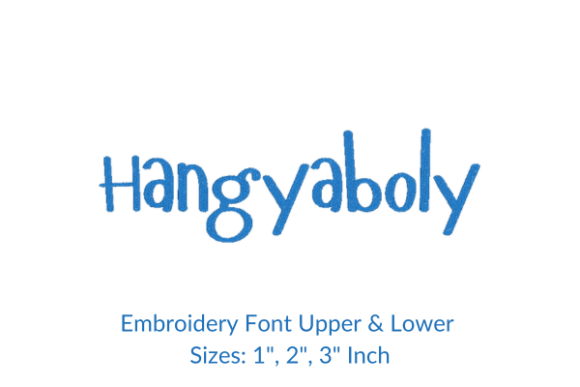
Hangyaboly Font Embroidery Design
A Seasonal Designer’s First Look: Warm, Whimsical, and Gift-Ready
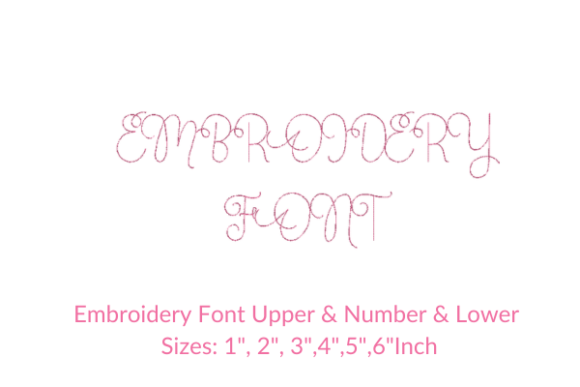
As an embroidery designer who builds seasonal collections for holiday markets, craft fairs, and Etsy shops—especially around back-to-school, autumn gifting, and winter celebrations—I opened the Hangyaboly Font Embroidery Design with quiet anticipation. What greeted me wasn’t just another script font—it was a tactile mood: soft curves, gentle flourishes, and balanced spacing that feels both handmade and intentional. It leans into cozy nostalgia without veering into cutesy overload—think handwritten recipe cards passed down through generations, not cartoonish lettering. The style reads as gently romantic and quietly elegant, making it ideal for personalized gifts where emotional resonance matters more than flash.
Where Hangyaboly Shines in Real Holiday Product Lines
This font doesn’t just sit on fabric—it invites connection. I immediately pictured it stitched onto:
- Sweatshirt embroidery for family matching sets (think “The Andersons • 2024” or sibling initials)
- Tote bag design for teacher appreciation bundles—pairing “Mrs. Chen • Grade 3” with a subtle apple motif
- Kitchen towel embroidery for holiday hostess gifts (“Bake Joy • Gather Love”) on linen-cotton blends
- Pillow cover monograms for new homeowners or newlyweds, especially in muted earth tones
- Embroidered patch sewn onto denim jackets or backpacks—ideal for school spirit or graduation keepsakes
- Ornaments and baby items, where delicate scale and legibility at small sizes matter deeply
In every case, Hangyaboly Font Embroidery Design elevates the finished product from “handmade” to “heirloom-ready.” Its rhythm supports readability without sacrificing charm—critical when shoppers scroll Etsy listings or preview products on Instagram. For limited-edition drops, it adds visual consistency across sweatshirts, aprons, and table linens, strengthening brand recognition during high-intent holiday shopping periods.
When to Use Hangyaboly Thoughtfully—Not Everywhere
Even beautiful fonts have boundaries—and knowing them saves time, thread, and customer trust. Here’s where I pause before stitching Hangyaboly Font Embroidery Design:
- Small hoop sizes under 4”: The flourishes soften at tight scales; test stitch a full name first
- Tiny lettering under 0.5” height: Detail may blur on dense fabrics like thick terry cloth or dark velvet
- Stretchy garments (knits, ribbed cuffs): Requires cutaway stabilizer + basting to prevent distortion
- Curved caps or curved seams: Avoid unless digitized specifically for that surface—standard files assume flat fabric
- Metallic thread: Its texture can exaggerate gaps between strokes; stick to matte poly or rayon for clean results
- Repeated-wash items (baby bibs, kitchen towels): Confirm stitch density isn’t too sparse—tighter fills hold up better over time
Why Hangyaboly Builds Trust and Value During Peak Seasons
Holiday shoppers don’t just buy products—they buy meaning, memory, and intention. Hangyaboly Font Embroidery Design delivers that subtext. Its warmth signals care. Its clarity signals professionalism. When used consistently across a small shop product line—say, matching embroidered pillow covers, tote bags, and aprons for teachers—it tells customers: *This seller understands what makes a gift feel personal, not generic.* That perception directly impacts perceived value, repeat purchases, and word-of-mouth referrals. On social media, its cohesive look performs well in printable mockups and carousel posts—no need for heavy filters or editing to feel “on-brand.” And because it works across categories (School, home, apparel), it helps unify seasonal storytelling without forcing unrelated themes.
Practical Notes Every Embroidery Designer Should Apply
Before adding Hangyaboly Font Embroidery Design to your holiday collection, do these five things:
- Test thread colors on both light and dark fabric—its contrast sensitivity means navy thread on charcoal may disappear, while cream on oatmeal pops beautifully
- Check stitch density in your embroidery software; if it’s unusually low, add a light fill layer for durability on high-use items
- Confirm hoop size compatibility—some variations of this font span wider than standard 5x7 hoops, especially with longer names or quotes
- Use appropriate stabilizer: tear-away for stable wovens (linen, cotton poplin); cutaway for knits or textured weaves like canvas or terry
- Create realistic mockups using actual fabric swatches—not just digital previews—to assess how flourishes interact with fabric texture and drape
Also: review small details after stitching—especially loops and terminals. A single stray stitch can break the font’s gentle flow. Plan matching color palettes early (e.g., terracotta + sage + cream for fall; silver + ivory + charcoal for winter) so your entire seasonal line feels intentional. And crucially: confirm commercial licensing applies to finished products before listing on Etsy or selling at craft fairs. Since this is a machine embroidery design intended for personalized gifts, verify whether resale rights extend to physical goods—not just digital embroidery file distribution.
Final Thought: A Quietly Powerful Tool for Seasonal Storytelling
The Hangyaboly Font Embroidery Design won’t shout—but it will linger. In a market flooded with bold, trendy fonts, its quiet confidence stands out. It fits seamlessly into holiday embroidery, school-themed collections, and handmade gift lines where authenticity and emotional nuance drive sales. Used with intention, it transforms simple fabric into meaningful keepsakes: a baby’s first holiday ornament, a teacher’s farewell towel, a family’s shared sweater set. For Etsy sellers and small shop owners building seasonal momentum, this isn’t just another embroidery file—it’s a trusted voice in your product story.