Just a Girl Who Loves Books
A Designer’s Real-World Review Before Your Next Personalized Gift Launch
As an embroidery designer who’s stitched over 300 custom orders for baby boutiques, wedding studios, and Etsy shops, I tested Just a Girl Who Loves Books not just as a machine embroidery design—but as a *product*. Would it hold up on a soft cotton baby blanket? Would it photograph beautifully on a linen pillow cover sold in a school-themed gift shop? Does it carry enough emotional weight to become a cherished wedding keepsake? Here’s what I found—no fluff, just real stitch-by-stitch insight.
First Impressions: Sweet, Timeless, and Quietly Confident
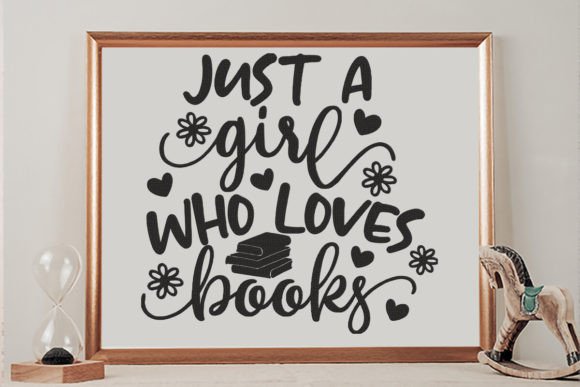
Just a Girl Who Loves Books lands with gentle charm—not cutesy, not overly ornate, but warmly literary. The lettering flows with subtle hand-drawn rhythm, and the small book motif (likely integrated near the word “Books”) adds visual warmth without clutter. It feels handmade, classic, and quietly modern—perfect for customers who value intention over trend. It doesn’t scream “school”—but it fits naturally in that category because it celebrates learning, curiosity, and quiet joy. No seasonal pressure, no dated fonts: this is a design built to age well.
Where This Design Truly Shines
- Baby embroidery: Stitched on organic cotton swaddles or muslin blankets, it reads as tender and thoughtful—not kitschy. Ideal for book-loving parents welcoming their first reader.
- Wedding gifts: Embroidered on ivory linen pillow covers or monogrammed tea towels, it becomes a meaningful nod to shared values—especially for couples who met at the library or bonded over favorite novels.
- Nursery decor: Works beautifully on framed hoop art, wall hangings, or crib bumper alternatives—soft enough for baby spaces, distinctive enough for older kids’ rooms.
- Personalized towels & aprons: On flour-sack or waffle-weave kitchen towels, it adds artisanal warmth. On chef-style aprons? Instant personality—great for teachers, librarians, or bookstore owners.
- Tote bags & pillow covers: Holds its shape well at mid-size (4–5 inches wide), making it highly adaptable for small shop products and craft fair booths.
- Etsy listings: Photographs exceptionally well against neutral backdrops—its clean lines and emotional resonance boost click-through rates and buyer trust.
Use With Care: Practical Limits You’ll Want to Know
This isn’t a one-size-fits-all file—and that’s a good thing. Thoughtful use makes all the difference:
- Small lettering: Avoid scaling below 3 inches wide—the delicate curves and spacing may blur or lose definition, especially on textured fabric.
- Fabric texture matters: On thick terry cloth towels or heavy canvas, test stitch density first. Too many overlapping stitches can cause puckering; too few may lack coverage.
- Stretchy baby clothes: Not recommended for onesies or knit bodysuits unless paired with cutaway stabilizer and reduced stitch density—fabric movement risks distortion.
- Curved surfaces: Skip rigid items like ceramic mugs or curved tote handles—this is a flat-fabric embroidery file, best suited for stable, hooped substrates.
- Dark fabric: Thread color contrast is critical. Test light-toned threads (ecru, soft grey, blush) on charcoal or navy—avoid white if the design includes fine interior details that could disappear.
- Frequent washing: For embroidered towels or baby blankets, confirm thread quality and stabilizer hold-up in your wash test. A lightweight tear-away + medium cutaway combo usually delivers durable results.
Why This Design Builds Trust—and Sales
When customers see Just a Girl Who Loves Books on a finished product, they don’t just see stitching—they see care. That emotional connection elevates perceived value instantly. A $28 embroidered towel feels like a curated gift, not a generic item. For Etsy sellers and small shop owners, that translates to higher conversion, fewer returns, and more repeat buyers asking, “Do you have one for *boys who love books*?” It also encourages customization—swap thread colors to match nursery palettes or wedding themes, and you’ve got six variations from one digital embroidery file.
Photography benefits are real, too. Its balanced composition and clear focal point make mockups pop—even on printable mockups used for social media or wholesale line sheets. And because it avoids gendered clichés (no pink bows or cartoon owls), it appeals across audiences—from elementary teachers ordering class gifts to adult book clubs commissioning hostess presents.
Your Pre-Stitch Checklist (Non-Negotiable)
- Test on scrap fabric matching your final substrate—same weave, same stretch, same finish.
- Confirm thread color contrast on both light and dark fabric swatches before bulk production.
- Verify hoop size compatibility—does your machine handle the full design width comfortably?
- Review stitch density: dense fills look lush on linens but may overwhelm gauzy fabrics.
- Choose stabilizer wisely—lightweight tear-away for stable cottons, cutaway for knits or towels.
- Always check small details post-stitch: are letter edges crisp? Does the book motif read clearly?
- Confirm commercial licensing status before selling finished products—this is essential for Etsy sellers, baby product creators, and wedding gift designers.
Remember: Just a Girl Who Loves Books isn’t just another embroidery file—it’s a storytelling tool. Used intentionally, it turns everyday items into heirlooms, gifts into memories, and small shop products into signature pieces. Whether you’re embroidering for a newborn, a newlywed, or a lifelong reader, this design invites sincerity over spectacle. And in today’s handmade market? That’s the most valuable stitch of all.