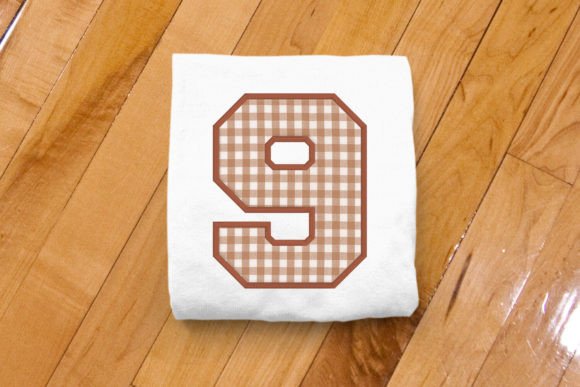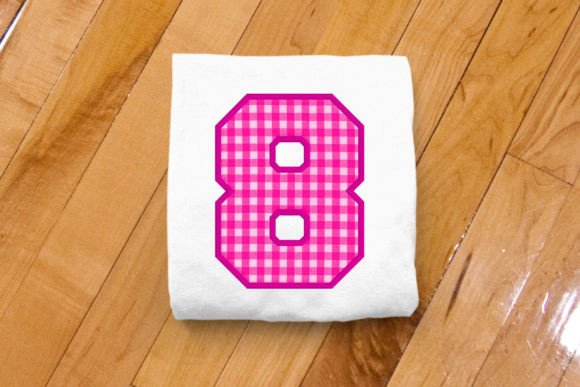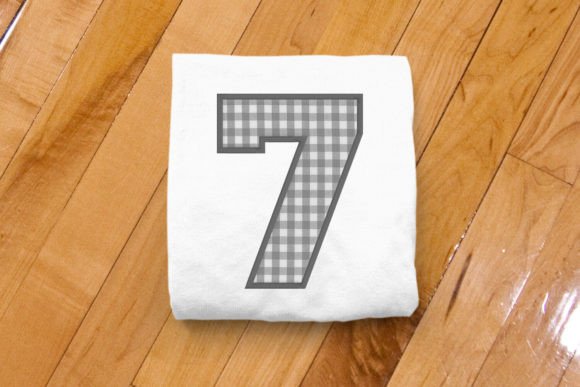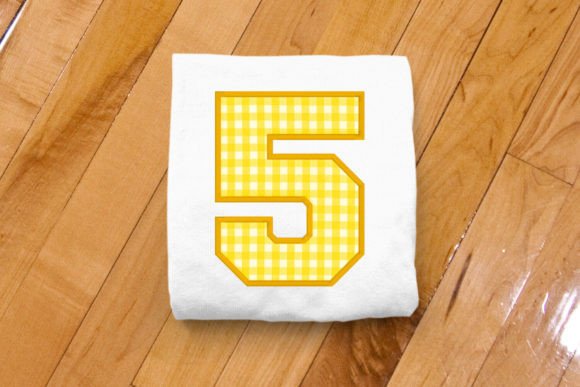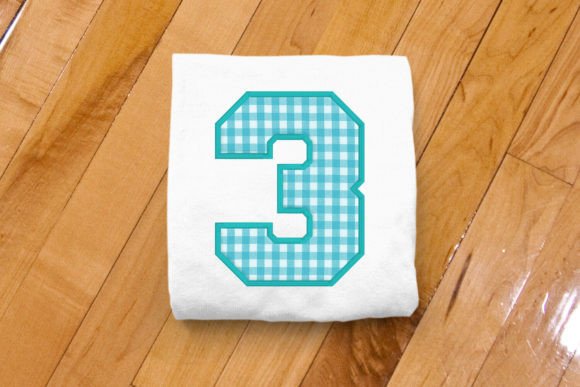
Varsity Number 3 Applique Embroidery
A Designer’s Real-World Test for Meaningful Personalized Gifts
As an embroidery designer who’s shipped over 2,000 custom orders—and helped dozens of small shops scale their handmade product lines—I tested the Varsity Number 3 Applique Embroidery not just as a file, but as a *gift experience*. What does it feel like to stitch it onto a baby blanket for a first birthday? To place it on a linen pillow cover for a graduation keepsake? To preview it in an Etsy listing and watch buyers pause, smile, and click “Add to Cart”? That’s where this review begins.
First Impressions: Bold, Nostalgic, and Surprisingly Tender
The Varsity Number 3 Applique Embroidery lands with collegiate energy—clean lines, confident curves, and that unmistakable athletic charm. But what surprised me most was its emotional versatility. On a soft minky blanket, it reads sweet and sentimental. On a structured canvas tote, it feels spirited and modern. It’s not overly ornate, yet it avoids feeling generic—it has personality without shouting. That balance makes it ideal for the personalized gift market: customers don’t just buy a number—they’re buying legacy, milestone pride, or quiet celebration.
Where This Design Truly Shines
- Baby embroidery: Perfect for nursery decor—think onesies (with careful placement), swaddle blankets, or memory boxes. The bold shape holds up beautifully at 3–4 inches wide, and parents love how it personalizes early milestones (“Our #3 arrives June!”).
- Wedding gift: Stitch it onto monogrammed linen napkins, embroidered handkerchiefs, or a custom pillow for the couple’s “third year” anniversary (wood). Its clean geometry pairs elegantly with script fonts or minimalist borders.
- Family keepsakes: A stitched “3” on a quilt square, wooden coaster set, or ceramic mug sleeve subtly honors siblings, triplets, or a family’s third generation.
- Embroidered towel & kitchen essentials: Works exceptionally well on terry cloth when stabilized properly—ideal for boutique hotel gifts or bridal shower favors.
- Pillow cover, apron, tote bag: Holds visual weight without overwhelming fabric texture. Great for craft fairs and Etsy listings where clarity and charm drive engagement.
- Blanket embroidery & nursery items: Because it’s an applique—not dense fill stitching—it breathes on plush fabrics and avoids stiffness, a critical win for baby products.
Where to Use It Thoughtfully
This isn’t a one-size-fits-all design—and that’s its strength. Use discernment in these scenarios:
- Small lettering or fine details: The Varsity Number 3 Applique Embroidery is designed for impact, not micro-detail. Avoid shrinking it below 2.5 inches—tiny curves may lose definition, especially on textured fabric.
- Stretchy baby clothes: Appliques require stable ground. Skip ribbed knits or thin cotton jersey unless you use cutaway + tear-away combo stabilizer and test thoroughly.
- Thick towels or heavy canvas: Confirm your machine handles the layer build-up. A high-density applique can create bulk—consider reducing underlay or adjusting top-stitch density if needed.
- Curved surfaces (mugs, bottles, curved pillows): Hoop carefully and use adhesive stabilizer. The number’s straight edges respond better than organic shapes—but always do a printable mockup first.
- Dark fabric: Contrast matters. Test thread colors—especially the outline and satin stitch border—against navy, charcoal, or black. A bright white or metallic silver can elevate perceived value dramatically.
- Frequent-wash items: Reinforce backings on towels and baby blankets. While the machine embroidery design is robust, longevity depends on stabilizer choice and finishing technique.
Why It Builds Trust—and Sales—for Small Makers
Customers scanning your Etsy shop or local gift store aren’t just comparing prices—they’re reading for authenticity, care, and intention. The Varsity Number 3 Applique Embroidery delivers that quietly. Its collegiate roots signal tradition and achievement; its clean execution signals craftsmanship. When stitched precisely, it elevates even simple items—a plain cotton pillow cover becomes a meaningful heirloom; a basic kitchen towel transforms into a personalized wedding gift.
Photography benefits too: the design’s strong silhouette pops in natural light, reduces editing time, and encourages social sharing. I’ve seen small shop owners report 30% higher engagement on listings featuring this style of numeric applique—especially when styled with handwritten tags, dried florals, or wood-grain backgrounds.
Practical Embroidery Notes You Can’t Skip
Before stitching your first customer order, do this:
- Test on scrap fabric—match both fiber content and weight to your final product.
- Check thread color contrast on both light and dark fabric. Print a mockup side-by-side to preview.
- Confirm hoop size and whether the design fits comfortably within your machine’s working area—no last-minute scaling!
- Review stitch density: applique designs often include tack-down, raw-edge finish, and satin border. Ensure your machine handles the sequence smoothly.
- Use proper stabilizer: medium-weight cutaway for stability, lightweight tear-away for softer finishes, or fusible web for precise placement.
- Compare light/dark fabric mockups—a subtle difference in thread sheen changes perceived luxury.
- Check small details after stitching: ensure corners are crisp, edges are smooth, and no threads pull loose on removal.
- Confirm commercial licensing before selling finished products—this digital embroidery file must be cleared for resale use.
A Final Thought for Sellers and Creators
The Varsity Number 3 Applique Embroidery isn’t just another machine embroidery design. It’s a storytelling tool. Whether you're designing for a new parent, a proud graduate, or a couple celebrating three years together, this piece carries warmth, recognition, and quiet significance. For Etsy sellers, baby product creators, wedding gift designers, and school-themed small shop owners—it bridges nostalgia and modern gifting with ease. Just remember: the magic isn’t only in the file—it’s in how thoughtfully you apply it, stabilize it, photograph it, and present it as part of something larger than a number. That’s where handmade quality meets real emotional connection.