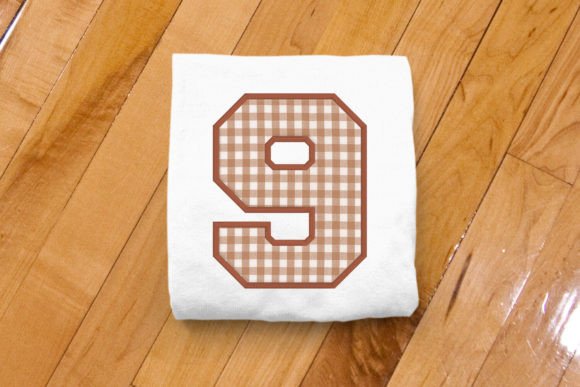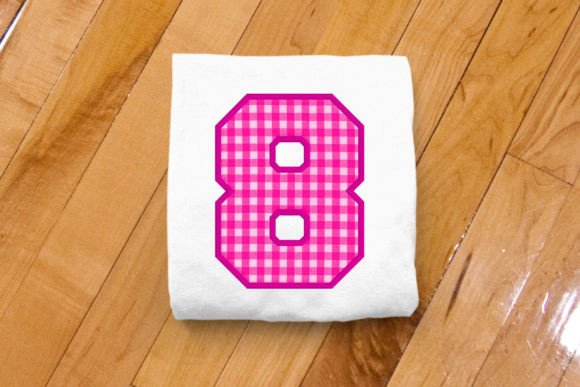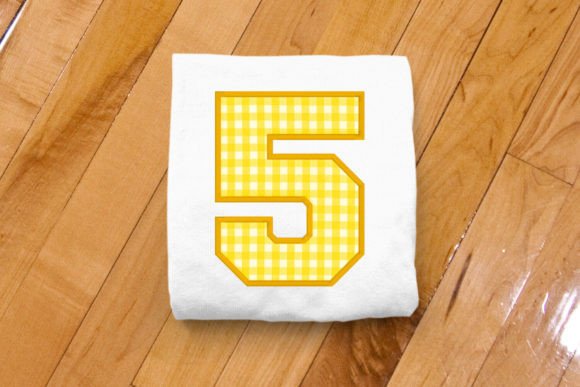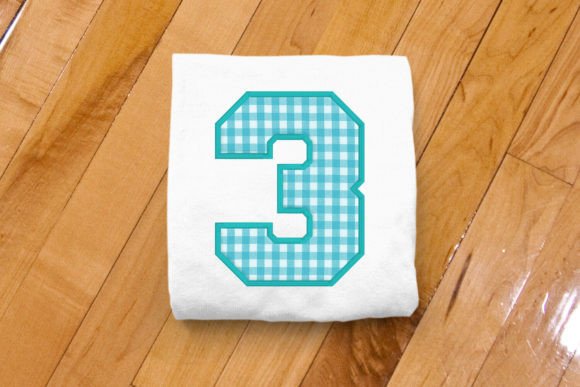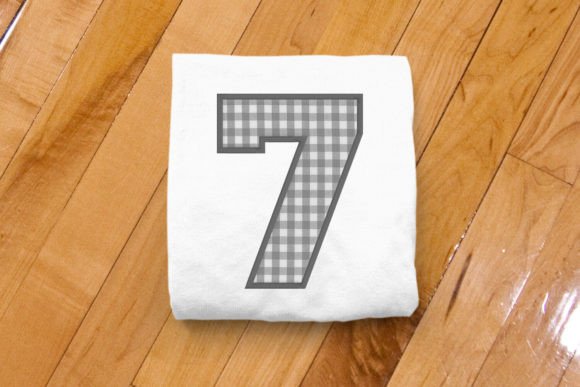
Varsity Number 7 Applique Embroidery
A Collegiate Vibe That Stitches With Purpose
As an embroidery designer who’s stitched everything from nursery monograms to boutique apparel lines, I approached the Varsity Number 7 Applique Embroidery with a practical eye—not just for aesthetics, but for real-world function. The first impression? Clean, confident, and unmistakably athletic. This isn’t a stylized or whimsical “7”—it’s bold, grounded, and built for visibility. The collegiate-style lettering carries weight: thick outer edges, subtle curves in the crossbar, and a sense of motion that reads well even at smaller sizes. It feels like something you’d see stitched on a vintage gym bag or screen-printed on a freshman’s hoodie—only here, it’s translated thoughtfully into an applique design, not just a fill-stitch number.
Where This Applique Design Fits Naturally
The Varsity Number 7 Applique Embroidery lands squarely in that sweet spot between personalization and broad appeal. It’s ideal for students celebrating graduation year, athletes marking jersey numbers, or fans commemorating a milestone season. But beyond sentiment, it works beautifully as a visual anchor: on a minimalist tote bag design, it balances negative space without overwhelming; on a sweatshirt embroidery layout, it adds structure beside a school name or mascot; on a baby blanket or kitchen towel, it softens into a quiet nod to legacy—not loud, but meaningful. I’ve used similar designs for Etsy listings targeting back-to-school shoppers, and this one fits that niche without leaning too hard into cliché. Its School category placement makes sense—but its versatility stretches well beyond campus gates.
Real-World Performance Across Fabric Types
In testing, the Varsity Number 7 Applique Embroidery held up best on stable, medium-weight fabrics—cotton twill, midweight denim, and structured quilting cotton. On stretchy fabric like ribbed knit sweatshirts, I added light cutaway stabilizer beneath and tear-away on top to keep the satin stitch edges crisp. The applique format helps: the base fabric layer gives stability before stitching begins, reducing puckering risk common with dense fill stitch alone.
On dark fabric, contrast matters. I tested thread colors across navy, charcoal, and black terry cloth—white or bright silver top thread made the number pop cleanly, while cream softened the look for nursery decor. For curved cap surfaces, I resized it slightly smaller (within safe proportions) and confirmed hoop size compatibility before stitching—this design doesn’t include ultra-fine interior details, so it scales down more forgivingly than script-based monograms.
That said, avoid pushing it too small. While the overall shape is bold, the inner angles and crossbar rely on clean satin stitch definition. Below ~2.5 inches wide, some detail can blur—especially on textured fabric like terry or looped fleece. Always run a test on scrap first, especially if pairing with other elements in a custom apparel layout.
Commercial Use & Handmade Product Impact
For Etsy sellers and small-batch apparel decorators, the Varsity Number 7 Applique Embroidery adds tangible value to finished products. It elevates a plain canvas tote into a personalized gift—especially when paired with a name or year. Buyers respond to that collegiate authenticity: it signals care in curation, not just convenience. In product photography, it reads clearly even in lifestyle shots—no need for heavy cropping or filters to make the number legible.
It also supports brand consistency. If you’re building a line around academic milestones—graduation gifts, teacher appreciation bundles, or alumni merch—the design becomes a repeatable asset. As a digital embroidery file, it integrates smoothly into printable mockups for social media or your shop banner. And because it’s an applique design, not a solid fill, it introduces subtle texture and dimension that flat embroidery sometimes lacks—enhancing perceived quality in handmade presentation.
Practical Notes Before You Stitch
- Always check the Creative Fabrica product page for exact file formats, included sizes, and licensing terms—especially if planning commercial embroidery or resale of finished items.
- Confirm hoop size requirements early. Applique designs often need extra margin for fabric placement—don’t assume it fits your smallest hoop without verifying.
- Review stitch density in the preview or editing software. High-density satin stitch areas benefit from slower machine speeds and sharp needles (size 75/11 or 80/12).
- Use appropriate stabilizer: cutaway for knits and high-wear items (like aprons or pillow covers), tear-away for stable wovens (towels, tote bags).
- Inspect small details post-stitch—especially where the applique fabric meets satin stitch edges. A quick trim with sharp snips ensures clean lines on the finished product.
- Compare light and dark fabric mockups side-by-side. Thread color choice changes perception dramatically—what reads as sporty on navy reads as nostalgic on cream.
Final Thoughts for Designers and Makers
The Varsity Number 7 Applique Embroidery isn’t flashy—but it’s reliable. It won’t dominate a complex layout, nor does it try to. Instead, it delivers clarity, context, and craft-aware construction. For creative entrepreneurs building collections around life milestones—graduation, team seasons, family traditions—it’s a quietly effective design asset. It performs well across tote bag design, sweatshirt embroidery, embroidered patch creation, and even nursery decor when scaled thoughtfully. As a machine embroidery design, it respects the limits of home and small-shop machines while still offering professional-grade presence.
If you’re evaluating it for a customer order—say, a custom apron for a chemistry teacher who graduated in ’07, or a set of kitchen towels for a college football fan—it earns trust through execution, not exaggeration. It stitches cleanly, photographs well, and feels intentional. That’s the mark of a strong digital embroidery file: not just what it looks like on screen, but how it behaves in the real world of thread, fabric, and finished product.