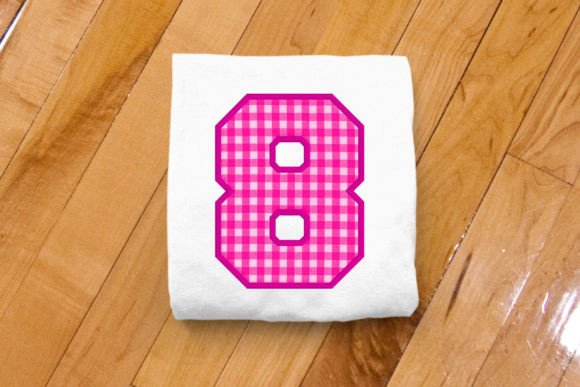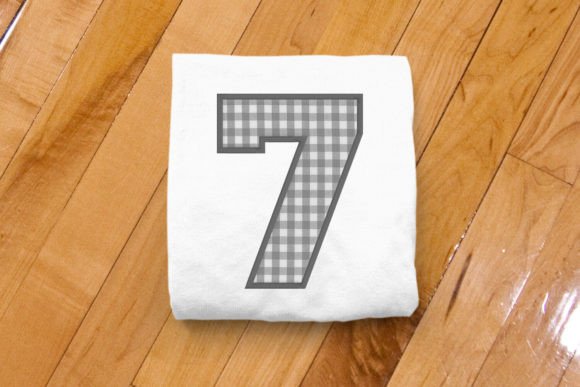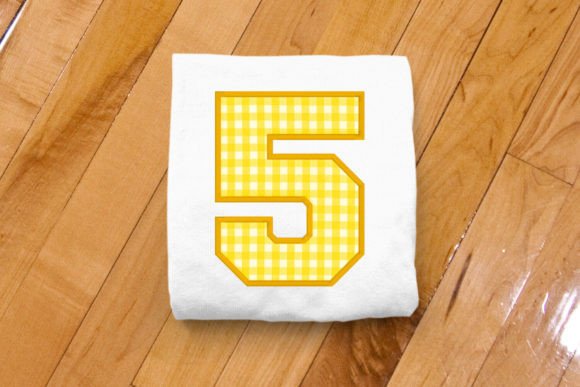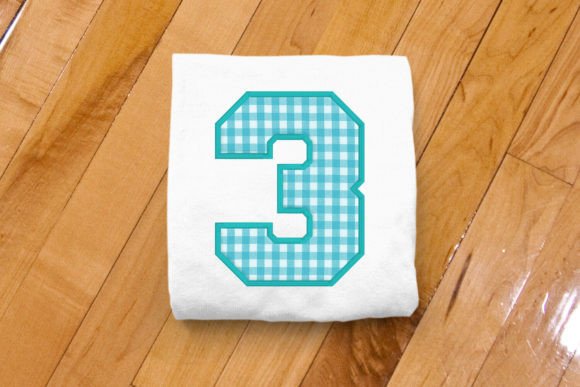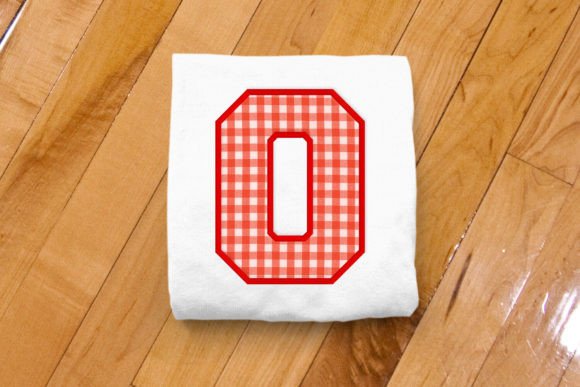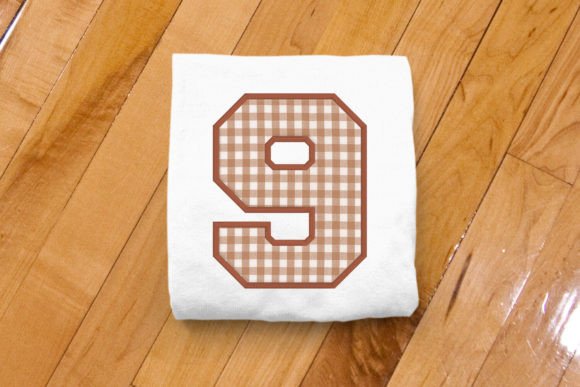
Varsity Number 9 Applique Embroidery
First Impressions: Bold, Nostalgic, and Instantly Recognizable
When I opened the Varsity Number 9 Applique Embroidery file, I didn’t just see a digit—I saw a mood. That thick, blocky, slightly rounded collegiate lettering carries immediate energy: school spirit, personal milestone, team pride. It’s not sleek or minimalist—it’s tactile, grounded, and built for visibility. As an embroidery designer who’s stitched hundreds of numbers for graduation caps, baby onesies, and boutique sweatshirts, I immediately pictured it on a heavyweight cotton tote bag—centered, slightly oversized, with clean satin-stitched edges and a subtle fabric underlay peeking through the applique base. It feels like a design that belongs in real life, not just on-screen previews.
A Real-World Test: Stitching It on a Custom Sweatshirt for a Graduation Gift
Last week, I used the Varsity Number 9 Applique Embroidery to personalize a navy crewneck sweatshirt for a high school senior whose jersey number was nine. I chose a deep burgundy applique fabric with contrasting white satin stitch edging—and the result held up beautifully. The shape stayed crisp, corners were sharp but not brittle, and the overall weight of the number gave the garment presence without stiffness. Customers notice that difference: when a number looks *designed*, not just digitized, it elevates the entire handmade product. This isn’t filler—it’s intentional visual storytelling.
Where It Shines (and Where to Pause)
The Varsity Number 9 Applique Embroidery excels on stable, medium-to-heavyweight fabrics: canvas tote bags, twill caps, terry cloth towels, denim jackets, and cotton-blend sweatshirts. Its bold silhouette reads clearly even at 3.5–4 inches tall, making it ideal for embroidered patches, pillow covers, and aprons where legibility matters. For Etsy sellers and small shop owners, it’s a smart addition to a “graduation bundle” or “sports fan collection”—especially paired with coordinating letters or mascots.
That said, proceed thoughtfully on:
- Stretchy or thin fabrics—like lightweight tees or baby rib knit—where stabilizer choice is critical; use cutaway + tear-away combo to prevent puckering around the dense satin stitch perimeter;
- Curved surfaces, especially low-profile caps—test hoop placement and consider slight digitizing tweaks if the number distorts near the bill seam;
- Dark or textured backgrounds—the applique base must contrast well; avoid matching the base fabric too closely to the garment color, or the number will visually sink;
- Frequent-wash items like kitchen towels or baby clothes—reinforce the applique seam with a narrow running stitch border if durability is a top priority for your craft business.
Design Integrity Meets Commercial Practicality
What makes the Varsity Number 9 Applique Embroidery stand out isn’t novelty—it’s reliability. The stitch density feels balanced: enough fill to anchor the shape, but not so dense it overwhelms lightweight stabilizer or causes thread buildup on the back. No floating elements, no tiny interior details that vanish at smaller sizes. That means fewer re-hooping moments, less thread breakage during long runs, and smoother transitions between personal projects and commercial embroidery batches.
For digital product sellers, this is a quietly versatile asset. It works as a standalone embroidery file, pairs cleanly with school-themed design packs, and scales well in printable mockups—whether you’re showing it on a varsity jacket or a linen tea towel. And because it’s rooted in a universal symbol (a number), it sidesteps trend fatigue better than seasonal motifs. A buyer searching for “graduation embroidery” or “athletic number 9” will recognize value instantly.
Practical Designer Notes You’ll Actually Use
Before stitching your first Varsity Number 9 Applique Embroidery project, do these five things:
- Run a test on scrap fabric *with your exact stabilizer and thread colors*—applique behavior changes dramatically based on fabric texture and backing;
- Check how the satin stitch edge interacts with your chosen applique fabric: some synthetics fray more than cotton twill, requiring tighter stitch spacing;
- Confirm hoop size compatibility—this design likely fits standard 4x4 or larger hoops, but verify before committing to a tight deadline;
- Review small corners and interior curves in your embroidery software: look for any potential nesting issues or skipped stitches in tight turns;
- Test it in grayscale mockups—this helps spot contrast gaps on dark garments and ensures the design holds its impact in black-and-white listings (critical for Etsy SEO and printed catalogs).
Why It Builds Trust—Not Just Decoration
In my decade of reviewing embroidery files for makers, I’ve learned one thing: customers don’t buy stitches—they buy confidence. When a client sees a crisp, well-proportioned Varsity Number 9 Applique Embroidery on their custom order, they subconsciously register craftsmanship, attention to scale, and professional execution. That perception directly supports pricing power, repeat orders, and word-of-mouth referrals. It also strengthens brand consistency for small shops—imagine using this same number across graduation caps, embroidered blankets, and boutique gift tags. Uniformity builds recognition.
For hobbyists and creative entrepreneurs alike, this isn’t just another machine embroidery design—it’s a reliable, emotionally resonant element. It fits naturally into school-themed collections, sports merch lines, and personalized gift workflows. And because it leans into a classic aesthetic rather than chasing micro-trends, it stays relevant across seasons, graduations, and team rosters.
Final Thought: Design With Purpose, Not Just Pixels
The Varsity Number 9 Applique Embroidery reminds me why I love this craft: it’s about translating meaning into texture, memory into thread. Whether you’re stitching it onto a baby’s first baseball cap or a teacher’s retirement apron, it carries weight—not just in stitch count, but in story. Use it intentionally. Test it thoroughly. Pair it thoughtfully. And always let the finished product speak for itself.